Blog articles from NAMI Santa Clara County
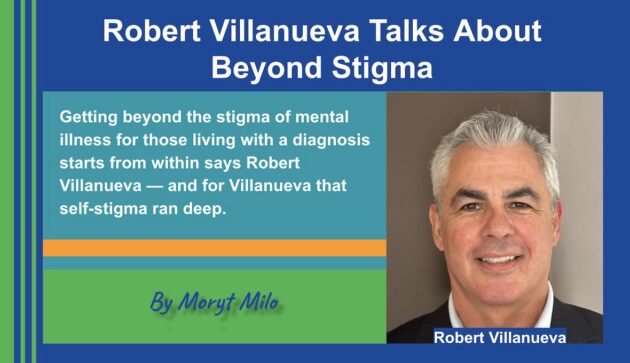
By Moryt Milo Getting beyond the stigma of mental illness for those living with a diagnosis starts from within says Robert Villanueva — and for Villanueva that self-stigma ran deep. He never saw himself as anything more than a blue-collar “garbage man” out of high school. He had no formal education. And even though he…
The one burning question for parents with children who have a mental illness is “Who will take care of my child when I am gone?” Should it be a sibling, relative, or third party? Who will handle the finances, medical needs, public benefits, and day-to-day support? The answer is vexing and complex.
Nothing is more terrifying than watching a family member experience their first psychotic break. Suddenly, parent and adult child are sitting across from a psychiatrist with no clue what comes next.
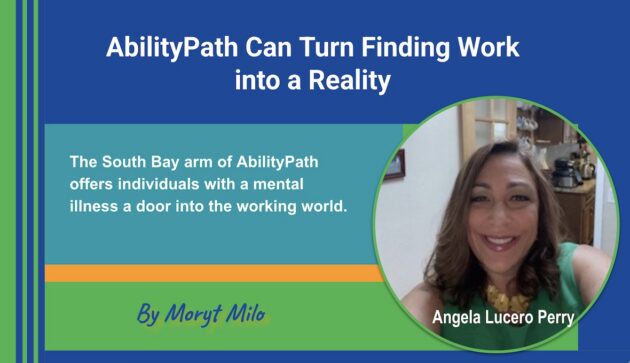
The South Bay arm of AbilityPath offers individuals with a mental illness a door into the working world. The nonprofit works with the Department of Rehabilitation (DOR) and San Andreas Regional Center to provide employment programs for people with disabilities. This includes individuals with a mental health condition or intellectual and developmental disabilities.
In Santa Clara County, there are more than 10,000 homeless people trying to find their way back into the mainstream of life—a crisis that has grown by 63% in the last decade. Of that number, one third to more than 50% may be struggling with mental health issues. The United Effort Organization, aims to assist people in need of safe housing or public benefits through hands-on support.
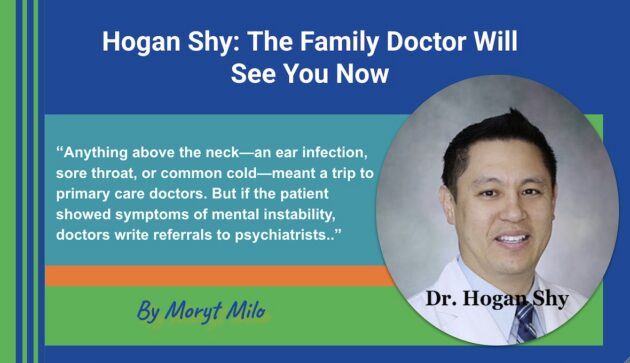
For decades, physical health and mental health were viewed as separate conditions. Anything above the neck—an ear infection, sore throat, or common cold—meant a trip to primary care doctors. But if the patient showed symptoms of mental instability, doctors wrote referrals to psychiatrists.
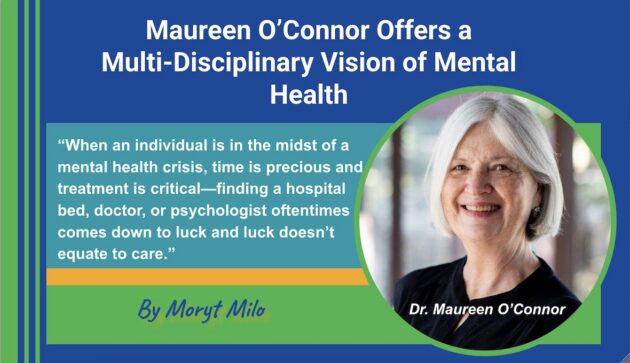
When an individual is in the midst of a mental health crisis, time is precious and treatment is critical—finding a hospital bed, doctor, or psychologist oftentimes comes down to luck and luck doesn’t equate to care.
Stanford psychiatrist Dr. Rona Hu is a fighter when it comes to patients with serious mental illnesses. She has been at Stanford Hospital for almost three decades and is the Medical Director of the hospital’s acute psychiatric inpatient unit, where she specializes in the care of those with schizophrenia, bipolar disorder, and depression.
Mental health in the workplace, it may be invisible but it’s always there. An employer’s level of transparency and support on the topic can mean the difference between a productive, healthy environment or one where employees may struggle to do their jobs.
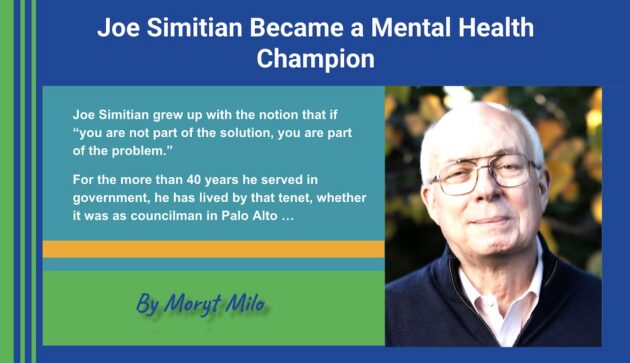
Joe Simitian grew up with the notion that if “you are not part of the solution, you are part of the problem.”
For the more than 40 years he served in government, he has lived by that tenet, whether it was as councilman in Palo Alto, California State senator or assemblyman, or Santa Clara County supervisor. During his 12 years as a county supervisor, he took that mantra and applied it to the mental health sector where he was chair of the Health and Hospital Committee.